

Bloodaxe Miniatures Products
Choose a subject header to expand or collapse specific product listings.
Click the magnifying glass icons for pictures of the miniature figures.
For ordering and shipping infromation visit our How to Order page.
 15mm ANCIENT HAWAIIANS
Presenting the 1st 15mm miniature Warriors of Ancient Hawaii
| 15mm Ancient Hawaiians | |||||
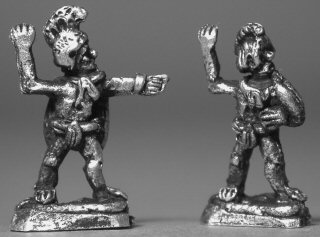 | Chieftains, priests and standards, Bag of 12 | BXA-H01 | $3.25 | ||
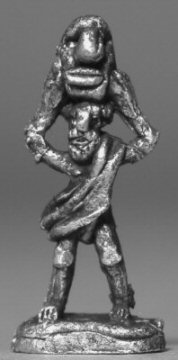 | Chieftains, priests and standards, Bag of 24 | BXA-H02 | $5.75 | ||
| Nobles, Bag of 12 | BXA-H03 | $3.25 | ||
| Nobles, Bag of 24 | BXA-H04 | $5.75 | |||
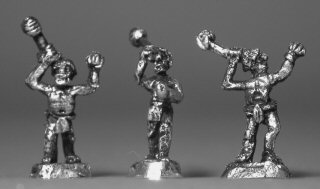 | Warriors with clubs, Bag of 12 | BXA-H05 | $3.25 | ||
| Warriors with clubs, Bag of 24 | BXA-H06 | $5.75 | |||
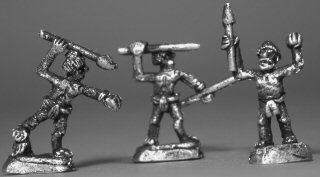 | Warriors with javelins, Bag of 12 | BXA-H07 | $3.25 | ||
| Warriors with javelins, Bag of 24 | BXA-H08 | $5.75 | |||
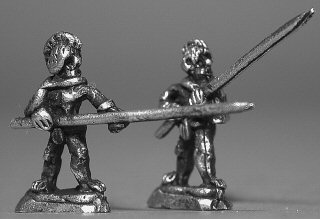 | Warriors with long spears/pikes, Bag of 12 | BXA-H09 | $3.25 | ||
| Warriors with long spears/pikes, Bag of 24 | BXA-H10 | $5.75 | |||
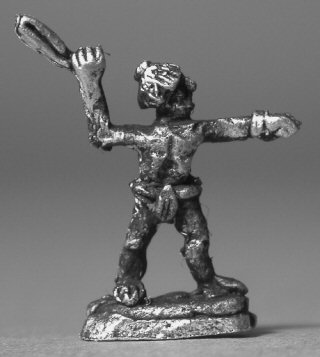 | Slingers, Bag of 12 | BXA-H11 | $3.25 | ||
| Slingers, Bag of 24 | BXA-H12 | $5.75 | |||
| Outrigger canoe with two crew | BXA-H13 | $3.00 | |||
| 15mm Army Packs - for DBA | |||
| DBA 2 IV/12c – Basic | BXA-H20 | $11.00 | |
| Command Stand (Noble, Priest & Standard) | |||
| 2 x 4 Pike (Noble Pike) | |||
| 3 x 2 Ps (Slingers) | |||
| 6 x 3 Bd (Club) | |||
| Camp (canoe) | |||
| DBA 2 IV/12c - Mega Mix | BXA-H22 | $14.00 | |
| Command Stand (Noble, Priest & Standard) | |||
| 2 x 4 Pike (Noble Pike and Utility) | |||
| 3 x 2 Ps (Slingers & Javelin) | |||
| 6 x 3 Bd (mix of Clubs, Javelins, Nobles and Utility) | |||
| Camp (canoe) | |||
| Contains more figures! | |||
15mm EARLY HOPLITE GREEKS
Presenting 15mm Early Hoplite Greeks
| Early Greek Hoplites | |||
| Early Greek Hoplites, Bag of 8 | BXA-G01-08 | $2.75 | |
| Early Greek Hoplites, Bag of 12 | BXA-G01-12 | $3.25 | |
| Early Greek Hoplites, Bag of 24 | BXA-G01-24 | $5.75 | |
| Heavy / Medium Cavalry, Bag of 4 | BXA-G02-04 | $3.75 | |
| Heavy / Medium Cavalry, Bag of 8 | BXA-G02-08 | $7.25 | |
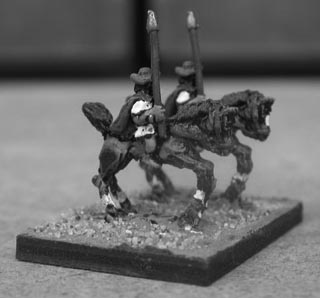 | Thessalain Light Cavalry, Bag of 4 | BXA-G03-04 | $3.75 |
| Thessalain Light Cavalry, Bag of 8 | BXA-G03-08 | $7.25 | |
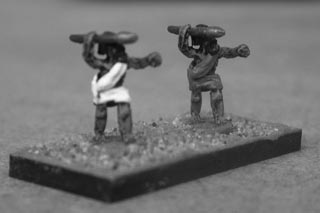 | Shieldless, Javelin, Bag of 8 | BXA-G04-08 | $2.75 |
| Shieldless, Javelin, Bag of 12 | BXA-G04-12 | $3.25 | |
| Shieldless, Javelin, Bag of 24 | BXA-G04-24 | $5.75 | |
| Medium / Light Infantry, Bag of 8 | BXA-G05-08 | $2.75 | |
| Medium / Light Infantry, Bag of 12 | BXA-G05-12 | $3.25 | |
| Medium / Light Infantry, Bag of 24 | BXA-G05-24 | $5.75 | |
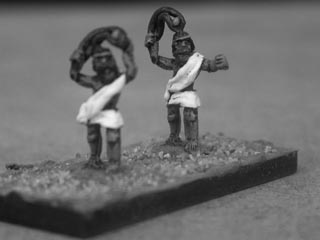 | Slingers, Bag of 8 | BXA-G06-08 | $2.75 |
| Slingers, Bag of 12 | BXA-G06-12 | $3.25 | |
| Slingers, Bag of 24 | BXA-G06-24 | $5.75 | |
| Hoplites with cloaks (use for Spartans), Bag of 8 | BXA-G07-08 | $2.75 | |
| Hoplites with cloaks (use for Spartans), Bag of 12 | BXA-G07-12 | $3.25 | |
| Hoplites with cloaks (use for Spartans), Bag of 24 | BXA-G07-24 | $5.75 | |
| Archers, Bag of 8 | BXA-G08-08 | $2.75 | |
| Archers, Bag of 12 | BXA-G08-12 | $3.25 | |
| Archers, Bag of 24 | BXA-G08-24 | $5.75 | |
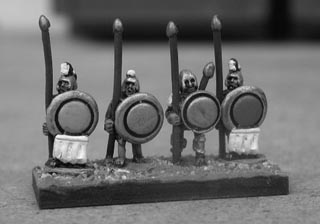 | Early Greek Hoplites in bell cuirass, Bag of 8 | BXA-G09-08 | $2.75 |
| Early Greek Hoplites in bell cuirass, Bag of 12 | BXA-G09-12 | $3.25 | |
| Early Greek Hoplites in bell cuirass, Bag of 24 | BXA-G09-24 | $5.75 | |
| Command (Mounted General, foot officers and musicians) | BXA-G10 | $2.75 | |
| 15mm Army Packs - for DBA | ||
| DBA 2 I/52a - Argive 680-450BC | BXA-G52a | $10.00 |
| Command Stand (1 x 4Sp) | ||
| 9 x 4 Sp (Hoplites) | ||
| 2 x 2 Ps (Slingers or Javelin) | ||
| DBA 2 I/52b - Spartan 668-450BC | BXA-G52b | $10.50 |
| Command Stand (1 x 4Sp) | ||
| 11 x 4 Sp (Hoplites with cloaks) | ||
| DBA 2 I/52c - Thessalian 668-450BC | BXA-G52c | $10.00 |
| Command Stand (1x3Cv) | ||
| 3 x 2 LH (Light Cavalry) | ||
| 4 x 4Sp (Hoplites) | ||
| 4 x 2 Ps (Slingers or Javelin) | ||
| DBA 2 I/52d - Theban 668-450BC | BXA-G52d | $10.50 |
| Command Stand (1x4 Sp) | ||
| 1 x 3 Cv (Cavalry) | ||
| 9 x 4Sp (Hoplites) | ||
| 1 x 2 Ps (Slingers or Javelin) | ||
| DBA 2 I/52e - Athenian 668-541BC | BXA-G52e | $10.00 |
| Command Stand (1x4 Sp) | ||
| 9 x 4Sp (Hoplites) | ||
| 2 x 2 Ps (Slingers or Javelin) | ||
| DBA 2 I/52f - Athenian 540-450BC | BXA-G52f | $12.50 |
| Command Stand (1x4 Sp) | ||
| 1 x 4 Sp / 1 x 3Cv / 1 x 2LH (Hoplites / Cavalry / Light Cavalry | ||
| 7 x 4Sp (Hoplites) | ||
| 1 x 3 Ax / 1 x 4 Sp (Javelin w/shield / Hoplites | ||
| 1 x 2 Ps / 1 x 4Bw (Slingers, Javelin / Bow | ||
| 1 x 2 Ps (Slingers or Javelin) | ||
| DBA 2 I/52h - Phokian or Aitolian 668-450BC | BXA-G52h | $9.00 |
| Command Stand (1x4 Sp) | ||
| 3 x 4Sp (Hoplites) | ||
| 8 x 2 Ps (Javelin and Slingers) | ||
| DBA 2 I/52i - Italiot or Siciliot 668-450BC | BXA-G52i | $11.50 |
| Command Stand (1x3Cv) | ||
| 1 x 3 Cv / 2 LH (Cavalry / Light Horse) | ||
| 8 x 4Sp (Hoplites) | ||
| 2 x 2 Ps (Slingers or Javelin) | ||
15mm AMERICAN CIVIL WAR
15mm American Civil War
| INFANTRY (in Kepi) | |||||
| Attacking (bag of 8) | BXI-100 | $2.75 | |||
| Standing, on guard (bag of 8) | BXI-100 | $2.75 | |||
| Firing (kneeling and standing) (bag of 8) | BXI-101 | $2.75 | |||
| Marching, slung rifle, full uniform (bag of 8) | BXI-102 | $2.75 | |||
| Infantry Officer (bag of 4) | BXI-103 | $1.50 | |||
| Standard Bearer (bag of 4) | BXI-104 | $1.50 | |||
| Artillery Crew (bag of 6) | BXI-105 | $2.00 | |||
| INFANTRY (in Slouch Hat) | |||||
| Attacking (bag of 8) | BXI-200 | $2.75 | |||
| Standing, on guard (bag of 8) | BXI-201 | $2.75 | |||
| Standing, firing (bag of 8) | BXI-202 | $2.75 | |||
| Infantry Officer (bag of 4) | BXI-203 | $1.50 | |||
| Standard Bearer (bag of 4) | BXI-204 | $1.50 | |||
| CAVALRY (in Kepi) | |||||
| With Pistol (bag of 8) | BXI-300 | $2.75 | |||
| Firing Carbine (bag of 8) | BXI-301 | $2.75 | |||
| CAVALRY (in Slouch Hat) | |||||
| Attacking with sword (bag of 8) | BXI-400 | $2.75 | |||
| Carbine and thigh (bag of 8) | BXI-401 | $2.75 | |||
| INFANTRY REGIMENT PACKS | |||||
| Kepi (24 figures (misc poses) including Command) | BXI-500 | $8.00 | |||
| Slouch Hat (24 figures (misc poses) including Command) | BXI-600 | $8.00 | |||
Pictures Coming Soon
Our 15mm ACW figures are some of sculptor Chris Munro's earliest work.
I don't recall the exact date these figures were created, it would have been early - possibly at the same time (or shortly after) he was working with Jack Scruby in Cambria Califonia.
Today Chris operates the Soldier Gallery in Cambria California (across the street from the former location of Jack Scruby's Soldier Factory store). Chris is a very talented sculptor he has done work of King and Country, he has his own line of Toy Soldiers and most recently some 1/30 ACW figures for March Through Times Military Miniatures. From my perspective it is interesting to see how much Chris has progressed and improved over the years. While I enjoy these ealry ACW figures, they are clean, simple sculpts (cheap and easy to produce too) I really like his more recent work (I need more for my collection)...
15mm FIRST ITALO-ETHIOPIAN WAR
Bloodaxe 15mm First Italo–Ethiopian War
The First Italo–Ethiopian War was fought between Italy and Ethiopia in 1895-1896.
The end result was an Ethiopian victory. Ethiopia was the only African nation to successfully resist European colonialism…
More Pictures - Coming Soon!
| Eritrean Ascari | |||
| Eritrean Ascari, bag of 8 | BXKA-001 | $2.00 | |
| Eritrean Ascari, bag of 12 | BXKA-002 | $2.75 | |
| Eritrean Ascari, bag of 24 | BXKA-003 | $5.25 | |
| Eritrean Ascari Officer, bag of 4 | BXKA-004 | $1.50 | |
| Eritrean Ascari Utility, bag of 4 | BXKA-005 | $1.50 | |
| Eritrean Ascari Standing Crew/Utility, bag of 4 | BXKA-006 | $1.50 | |
| Eritrean Ascari Kneeling Crew, bag of 4 | BXKA-007 | $1.50 | |
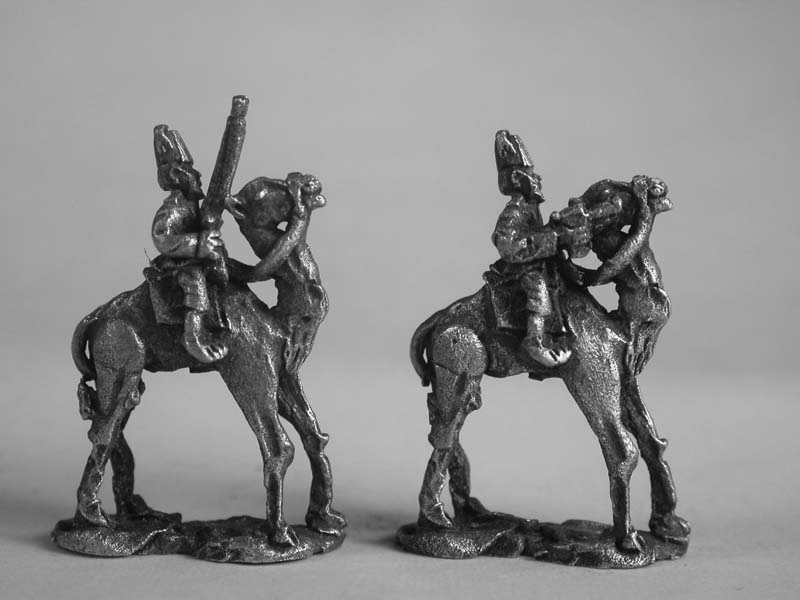 | Eritrean Ascari Camel Scout, bag of 4 | BXKA-008 | $3.75 |
| Eritrean Ascari Camel Scout, bag of 8 | BXKA-009 | $7.25 | |
| Eritrean Ascari Camel Scout Leader/Officer, bag of 4 | BXKA-010 | $3.75 |
| Italian Regulars - Sun Helmet | |||
| Italian Regular Infantry, bag of 8 | BXKA-101 | $2.00 | |
| Italian Regular Infantry, bag of 12 | BXKA-102 | $2.75 | |
| Italian Regular Infantry, bag of 24 | BXKA-103 | $5.25 | |
| Italian Regular Infantry Officers, bag of 4 | BXKA-104 | $1.50 | |
| Italian Regular Infantry Officers (soft cap), bag of 4 | BXKA-104a | $1.50 | |
| Italian Regular Infantry Utility, bag of 4 | BXKA-105 | $1.50 | |
| Italian Regular Infantry Standing Crew/Utility, bag of 4 | BXKA-106 | $1.50 | |
| Italian Regular Infantry Kneeling Crew, bag of 4 | BXKA-107 | $1.50 | |
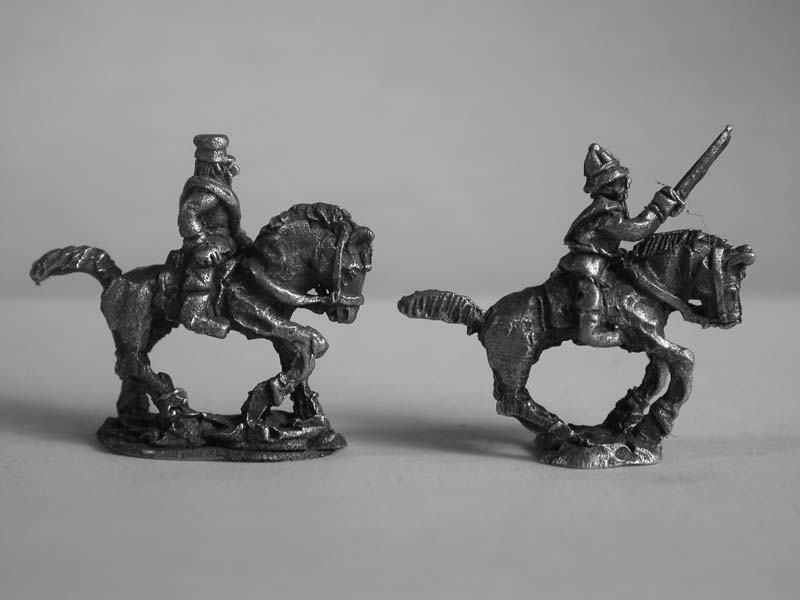 | Italian Mounted Officers, bag of 4 | BXKA-108 | $1.50 |
| Italian Mounted Officers (soft cap), bag of 4 | BXKA-109 | $1.50 | |
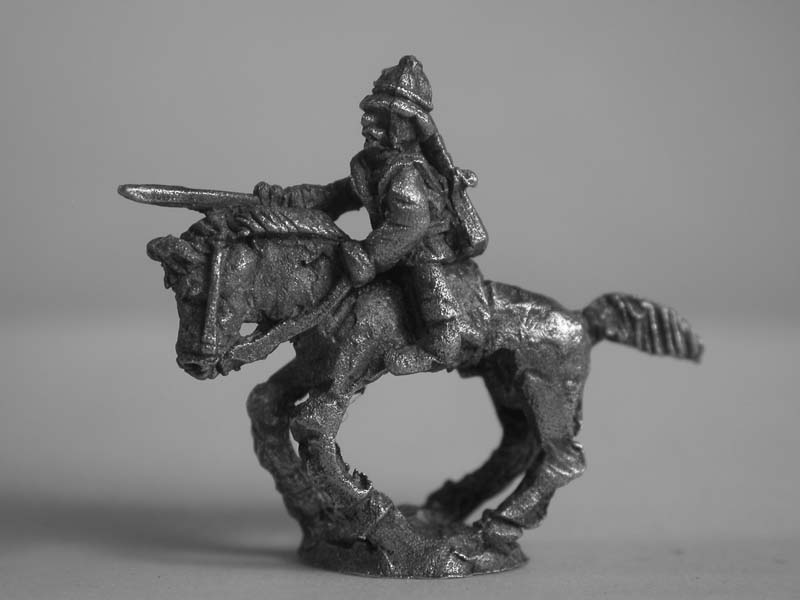 | Italian Cavalry, bag of 4 | BXKA-110 | $3.75 |
| Italian Cavalry, bag of 8 | BXKA-111 | $7.25 | |
| Italian Bersaglieri | |||
| Italian Bersaglieri, bag of 8 | BXKA-201 | $2.00 | |
| Italian Bersaglieri, bag of 12 | BXKA-202 | $2.75 | |
| Italian Bersaglieri, bag of 24 | BXKA-203 | $5.25 | |
| Italian Bersaglieri Officer, bag of 4 | BXKA-204 | $1.50 | |
| Italian Bersaglieri Standing Crew/Utility, bag of 4 | BXKA-206 | $1.50 | |
| Italian Bersaglieri Kneeling Crew, bag of 4 | BXKA-207 | $1.50 | |
| Ethiopian Waruari (Spearmen, misc. poses) | |||
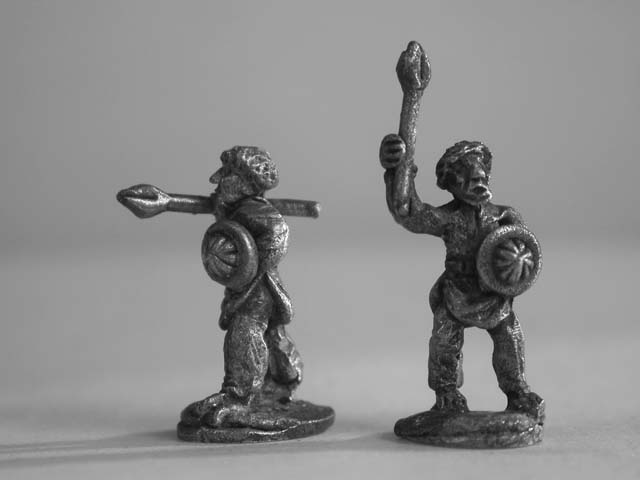 | Ethiopian Waruari (Type 1 Spearmen), bag of 8 | BXKA-301 | $2.00 |
| Ethiopian Waruari (Type 1 Spearmen), bag of 12 | BXKA-302 | $2.75 | |
| Ethiopian Waruari (Type 1 Spearmen), bag of 24 | BXKA-303 | $5.25 | |
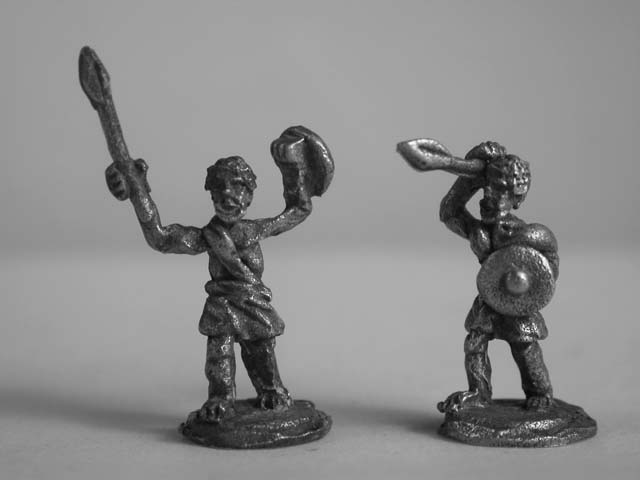 | Ethiopian Waruari (Type 2 Spearmen), bag of 8 | BXKA-304 | $2.00 |
| Ethiopian Waruari (Type 2 Spearmen), bag of 12 | BXKA-305 | $2.75 | |
| Ethiopian Waruari (Type 2 Spearmen), bag of 24 | BXKA-306 | $5.25 | |
| Ethiopian Neftenya (Riflemen, misc. poses) | |||
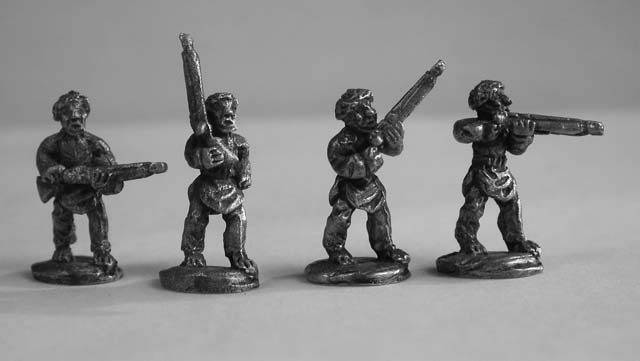 | Ethiopian Neftenya (Type 1 Riflemen), bag of 8 | BXKA-401 | $2.00 |
| Ethiopian Neftenya (Type 1 Riflemen), bag of 12 | BXKA-402 | $2.75 | |
| Ethiopian Neftenya (Type 1 Riflemen), bag of 24 | BXKA-403 | $5.25 | |
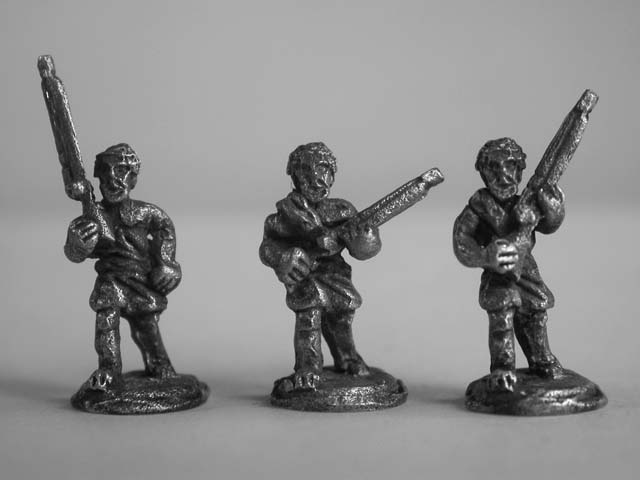 | Ethiopian Neftenya (Type 2 Riflemen), bag of 8 | BXKA-404 | $2.00 |
| Ethiopian Neftenya (Type 2 Riflemen), bag of 12 | BXKA-405 | $2.75 | |
| Ethiopian Neftenya (Type 2 Riflemen), bag of 24 | BXKA-406 | $5.25 | |
| Ethiopian Command | |||
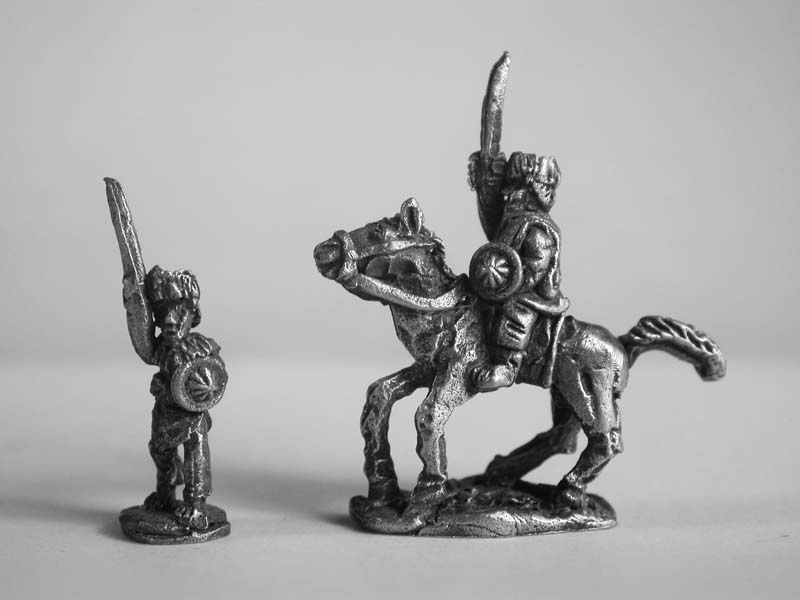 | Ethiopian Zmatch (nobleman, foot with sword), bag of 4 | BXKA-501 | $1.50 |
| Ethiopian Zmatch (nobleman, mounted with sword), bag of 4 | BXKA-502 | $3.75 |
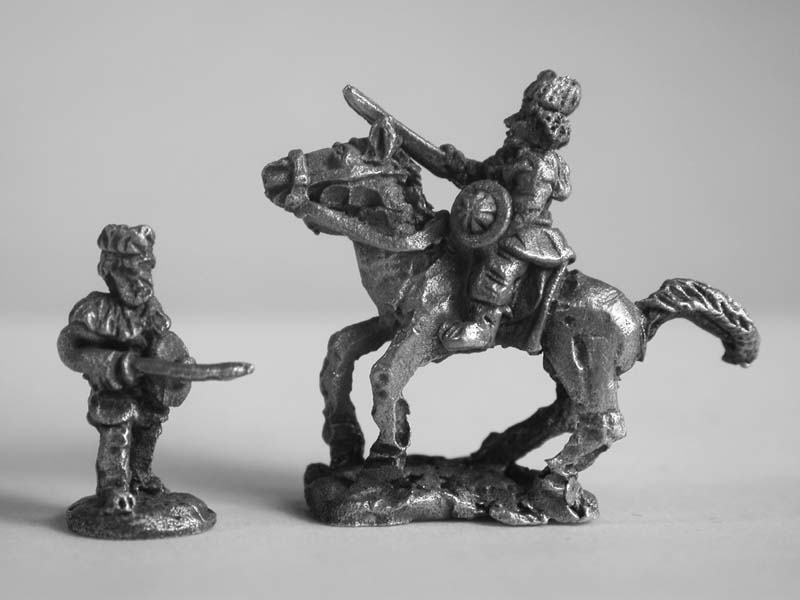 | Ethiopian Leader (foot with sword), bag of 4 | BXKA-503 | $1.50 |
| Ethiopian Leader (mounted with sword), bag of 4 | BXKA-504 | $3.75 |
| Ethiopian Cavalry | |||
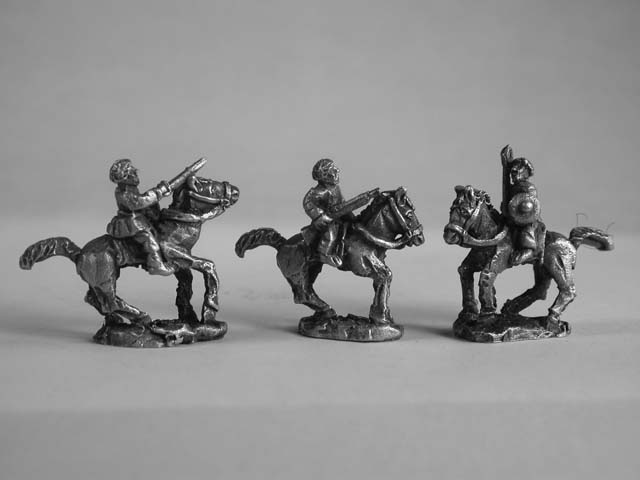 | Ethiopian Cavalry (sword), bag of 4 | BXKA-601 | $3.75 |
| Ethiopian Cavalry (spear), bag of 4 | BXKA-602 | $3.75 |
| Ethiopian Cavalry (rifle), bag of 4 | BXKA-603 | $3.75 |
| Ethiopian Cavalry (sword), bag of 8 | BXKA-604 | $7.25 | |
| Ethiopian Cavalry (spear), bag of 8 | BXKA-605 | $7.25 | |
| Ethiopian Cavalry (rifle), bag of 8 | BXKA-606 | $7.25 | |
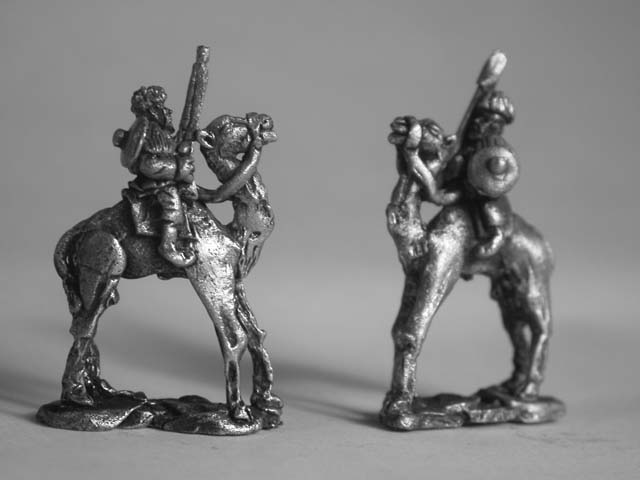 | Ethiopian Camel Scouts (spear), bag of 4 | BXKA-607 | $3.75 |
| Ethiopian Camel Scouts (rifle), bag of 4 | BXKA-608 | $3.75 |
| Ethiopian Camel Scouts (spear), bag of 8 | BXKA-609 | $7.25 | |
| Ethiopian Camel Scouts (rifle), bag of 8 | BXKA-610 | $7.25 | |
| Artillery and Misc. | |||
| Maxim Gun, bag of 2 | BXKX-1501 | $2.00 | |
| Colt Machine Gun, bag of 2 | BXKX-1502 | $2.00 | |
| Mountain Gun, bag of 2 | BXKX-1503 | $2.00 | |
| Field Gun, bag of 2 | BXKX-1504 | $2.00 | |
| Skirmish Packs (NEW) | |||
| Suitable for use with The Men Who Would be Kings – TMWWBK | |||
| Italians | BXKA-SKP-1 | $12.00 | |
| 12 x Bersaglieri (Elite Infantry) | |||
| 24 x Regular Infantry | |||
| 16 x Eritrean Ascari | |||
| 1 Mountain Gun with crew | |||
| Ethiopian | BXKA-SKP-2 | $19.00 | |
| 8 x Ethiopian Cavalry | |||
| 24 x Ethiopian Irregular Infantry | |||
| 32 x Ethiopian Tribal Infantry | |||
| 1 x Field Gun with crew | |||
| Combined Italo-Ethiopian | BXKA-SKP-3 | $30.00 | |
| 12 x Bersaglieri (Elite Infantry) | |||
| 24 x Regular Infantry | |||
| 16 x Eritrean Ascari | |||
| 1 Mountain Gun with crew | |||
| 8 x Ethiopian Cavalry | |||
| 24 x Ethiopian Irregular Infantry | |||
| 32 x Ethiopian Tribal Infantry | |||
| 1 x Field Gun with crew | |||
15mm MORO REBELLION
Bloodaxe 15mm Moro Rebellion
| U.S. in the Philippines | |||
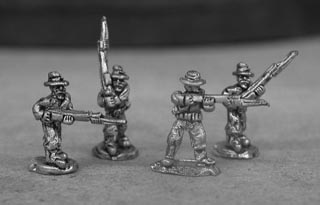 | U.S. Infantry, bag of 8 | BXK-001 | $2.00 |
| U.S. Infantry, bag of 12 | BXK-002 | $2.75 | |
| U.S. Infantry, bag of 24 | BXK-003 | $5.25 | |
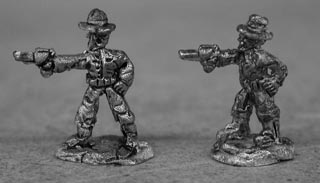 | U.S. Infantry Officers, bag of 4 | BXK-004 | $1.50 |
| U.S. Infantry Officers, bag of 8 | BXK-005 | $2.75 | |
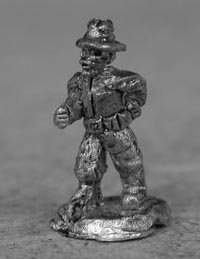 | U.S. Infantry Utiltiy Man, bag of 4 | BXK-006 | $1.50 |
| U.S. Infantry Utiltiy Man, bag of 8 | BXK-007 | $2.75 | |
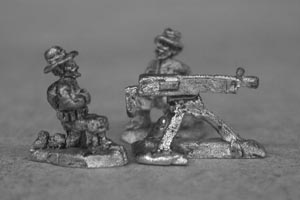 | U.S. Infantry, Colt MG with crew of 2, bag of 4 | BXK-008 | $2.75 |
| U.S. Infantry, Colt MG with crew of 2, bag of 8 | BXK-009 | $5.25 | |
| Philippine Scouts/Constabulary | |||
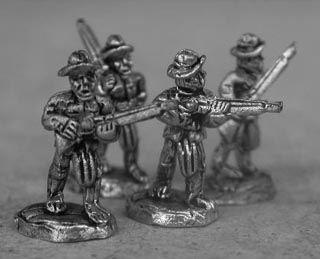 | Philippine Scouts/Constabulary, bag of 8 | BXK-020 | $2.00 |
| Philippine Scouts/Constabulary, bag of 12 | BXK-021 | $2.75 | |
| Philippine Scouts/Constabulary, bag of 24 | BXK-022 | $5.25 | |
| Moro Warriors | |||
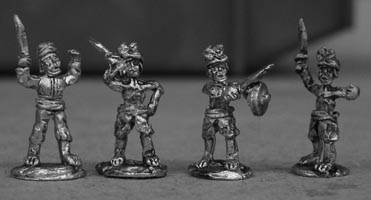 | Moro w/barong, bag of 8 | BXK-030 | $2.00 |
| Moro w/barong, bag of 12 | BXK-031 | $2.75 | |
| Moro w/barong, bag of 24 | BXK-032 | $5.25 | |
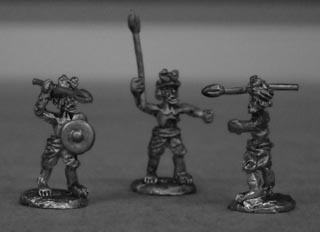 | Moro w/spear, bag of 8 | BXK-033 | $2.00 |
| Moro w/spear, bag of 12 | BXK-034 | $2.75 | |
| Moro w/spear, bag of 24 | BXK-035 | $5.25 | |
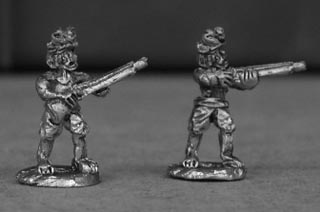 | Moro w/rifle, bag of 8 | BXK-036 | $2.00 |
| Moro w/rifle, bag of 12 | BXK-037 | $2.75 | |
| Moro w/rifle, bag of 24 | BXK-038 | $5.25 | |
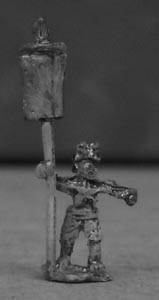 | Moro Banner bearer, bag of 4 (assembly required) | BXK-039 | $1.75 |
| Filipino Insurgents | |||
| Insurecto w/barong, bag of 8 | BXK-040 | $2.00 | |
| Insurecto w/barong, bag of 12 | BXK-041 | $2.75 | |
| Insurecto w/barong, bag of 24 | BXK-042 | $5.25 | |
| Insurecto w/rifle, bag of 8 | BXK-043 | $2.00 | |
| Insurecto w/rifle, bag of 12 | BXK-044 | $2.75 | |
| Insurecto w/rifle, bag of 24 | BXK-045 | $5.25 | |
| Insurecto Utility Man, bag of 8 | BXK-046 | $2.00 | |
| Insurecto Leader, bag of 4 | BXK-047 | $1.50 | |
| Spanish (1898) | |||
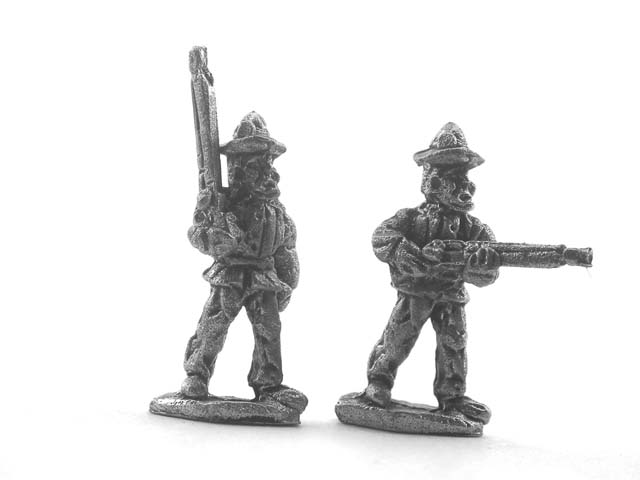 | Spanish Infantry, bag of 8 | BXK-101 | $2.00 |
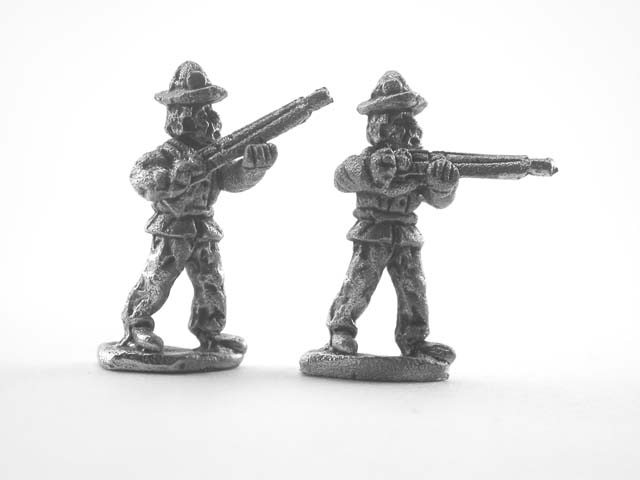 | Spanish Infantry, bag of 12 | BXK-102 | $2.75 |
| Spanish Infantry, bag of 24 | BXK-103 | $5.25 | |
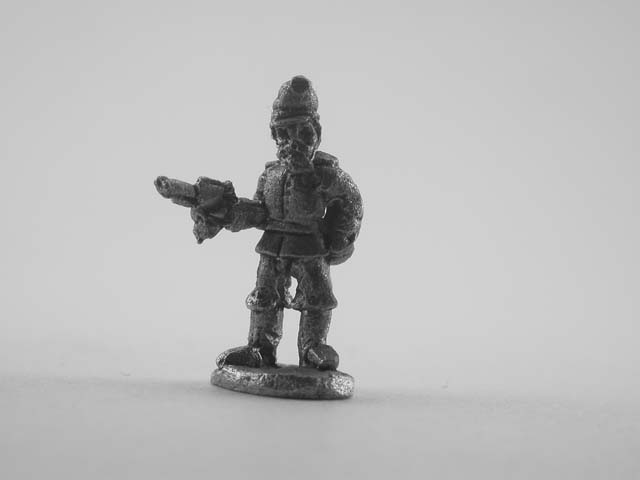 | Spanish Infantry Officers, bag of 4 | BXK-104 | $1.50 |
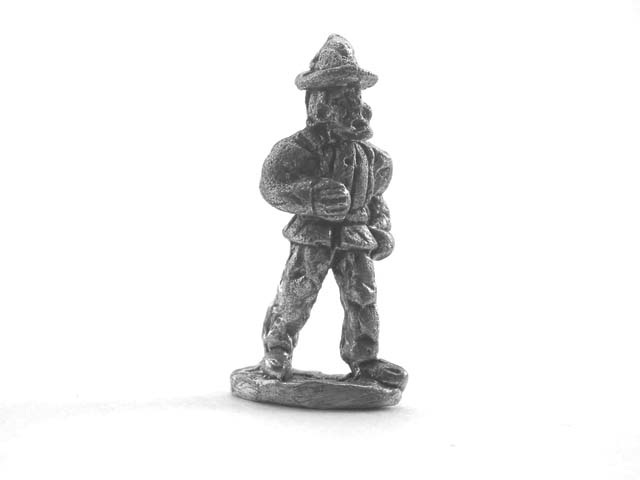 | Spanish Utiltiy Man, Standing, bag of 4 | BXK-105 | $1.50 |
| Spanish Utiltiy Man, Standing, bag of 8 | BXK-106 | $2.75 | |
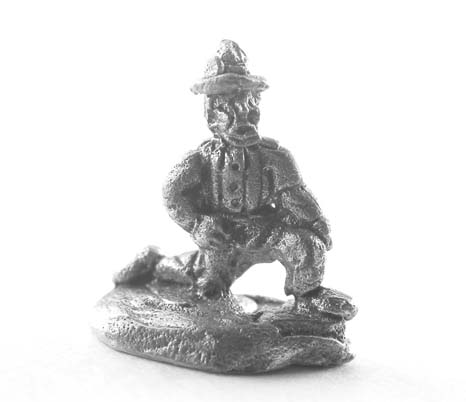 | Spanish Utiltiy Man, Kneeling, bag of 4 | BXK-107 | $1.50 |
| Spanish Utiltiy Man, Kneeling, bag of 8 | BXK-108 | $2.75 | |
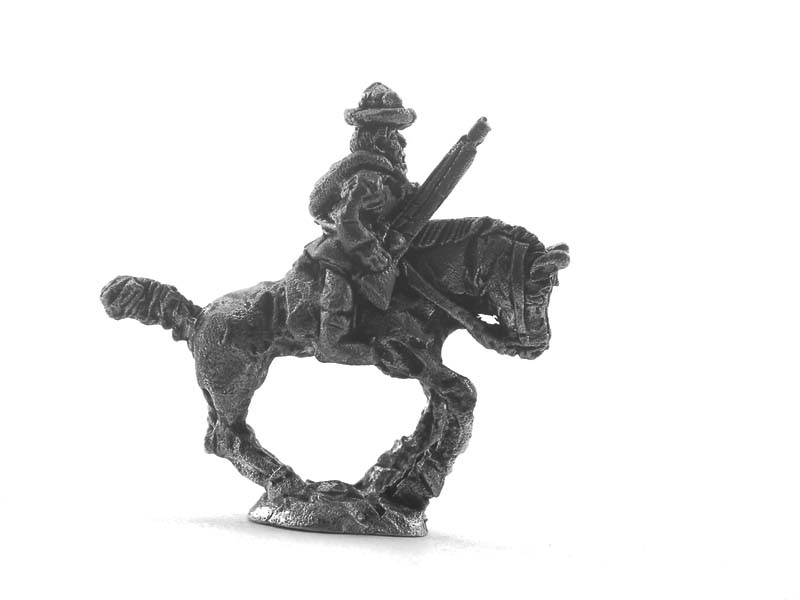 | Spanish Cavalry, bag of 4 | BXK-111 | $3.75 |
| Spanish Cavalry, bag of 8 | BXK-112 | $7.25 | |
NOTE: Moro Spear packs include 'extra' loose shields.
Filipino Insurgents: Pictures Coming Soon!
Next up US Cavalry. Watch for more information
Currently researching: The Pulahan...
The Moro Rebellion refers to U.S. military operations in Moroland, Philippines, from the end of the Spanish-American War to the hand-over of control of the Moro Province to American civil authorities in 1913.
The Moro Rebellion is often referred to as the second phase of the Philippine-American War. While the term rebellion may not be the technically correct term, it is what we will use to refer to this conflict where American forces did not face a unified insurgency or nationalistic movement, but rather the forces of individual tribal chieftains who refused to accept American control as well as localized popular uprisings…
For a bit of background material written by Jack Scruby take a look at this extraction from Jack’s article “Asiatic “Colonial” Wargames”
from Miniature Parade, Volume 2 Number 2 - October 1968:
THE PHILIPPINE ISLANDS – 1898
The Philippine Scouts were composed of Filipinos enlisted as members of the regular United States Army. The units were generally officered by Americans and a few Filipino graduates of the U.S. Military Academy at West Point.
The Philippine Scouts were raised by the US Army during the Philippine American War (1899-1902). They served as auxiliaries to the US units and assisted in various duties such as navigation and combat.
Our Philippine Scouts are dressed in US Uniform and hat from waist up, native breach cloth from the waist down.
Links of Interest:
Philippine-American War, 1899-1902 Uncle Sam, the Moros, and the Moro Campaigns Battle of Dolores River The Pulahan
15mm RUSSO-JAPANESE WAR
Bloodaxe 15mm Russo-Japanese War
| 1904 Japanese Infantry | |||
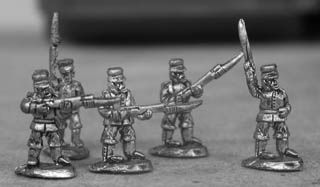 | Infantry (misc. poses) Bag of 4 | BXRJ-001 | $1.50 |
| Infantry (misc. poses) Bag of 8 | BXRJ-002 | $2.75 | |
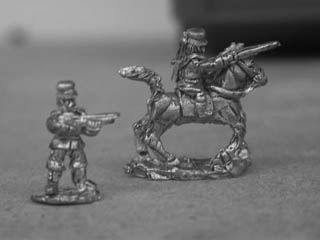 | Dismounted Cavalry (misc. poses) Bag of 4 | BXRJ-003 | $1.50 |
| Dismounted Cavalry (misc. poses) Bag of 8 | BXRJ-004 | $2.75 | |
| Cavalry Bag of 4 | BXRJ-005 | $3.75 |
| Cavalry Bag of 8 | BXRJ-006 | $7.25 | |
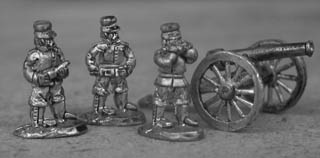 | Artillery Crew (bag of 6) | BXRJ-007 | $2.00 |
| Infantry Officer (bag of 4) | BXRJ-008 | $1.50 |
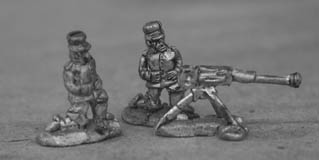 | 2-man crewed Machine Guns (Bag of 4) | BXRJ-009 | $2.75 |
| 2-man crewed Machine Guns (Bag of 8) | BXRJ-010 | $5.25 | |
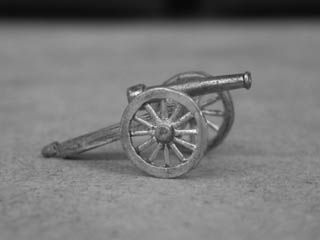 | 1904 Artillery (bag of 2) | BXRJ-011 | $2.00 |
Use WWI Russians for Russo-Japanese War Russians
The Russo-Japanese War developed out of the rivalry between Russia and Japan for dominance in Korea and Manchuria. In 1898 Russia had pressured China into granting it a lease for the strategically important port of Port Arthur, at the tip of the Liaotung Peninsula. Additionally, in 1896 Russia had concluded an alliance with China against Japan and, in the process, had won rights to extend the Trans-Siberian Railroad across Chinese-held Manchuria to the Russian seaport of Vladivostok, thus gaining control of an important strip of Manchurian territory.
The war began on Feb. 8, 1904, with the Japanese fleet launching a surprise attack and siege on the Russian naval squadron at Port Arthur. In March the Japanese landed an army in Korea that quickly overran that country. In May another Japanese army landed on the Liaotung Peninsula, and on May 26 it cut off the Port Arthur garrison from the main body of Russian forces in Manchuria. The Japanese then pushed to the north, and the Russian army fell back to Mukden. In October the Russians went back on the offensive with the help of reinforcements received via the Trans-Siberian Railroad, but their attacks proved indecisive due to poor military leadership.
The final battle of the land war was fought at Mukden in late February and early March 1905, between Russian forces totaling 330,000 men and Japanese totaling 270,000. After long and stubborn fighting and heavy casualties on both sides, the Russian commander, General A.N. Kuropatkin, broke off and withdrew his forces northward from Mukden, which fell into the hands of the Japanese. Losses in this battle were heavy; approximately 89,000 Russian and 71,000 Japanese casualties.
May 27–29, 1905, in a battle in the Tsushima Straits, Admiral Togo Heihachiro's main Japanese fleet destroyed the Russian Baltic Fleet. Japan was by this time financially exhausted, but its decisive naval victory at Tsushima, together with increasing internal political unrest throughout Russia, where the war had never been popular, brought the Russian government to the peace table.
15mm WORLD WAR I
WWI RUSSIANS
Bloodaxe 15mm WWI Russians
| Russian Infantry & Cavalry - Peaked Cap | |||
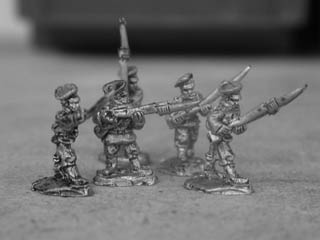 | Infantry (misc. poses) Bag of 4 | BX-001 | $1.50 |
| Infantry (misc. poses) Bag of 8 | BX-002 | $2.75 | |
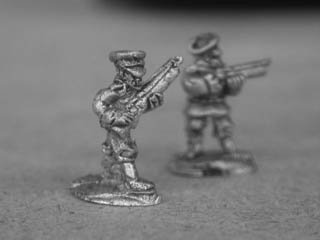 | Dismounted Cavalry (misc. poses) Bag of 4 | BX-003 | $1.50 |
| Dismounted Cavalry (misc. poses) Bag of 8 | BX-004 | $2.75 | |
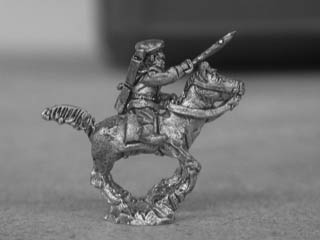 | Cavalry Bag of 4 | BX-005 | $3.75 |
| Cavalry Bag of 8 | BX-006 | $7.25 | |
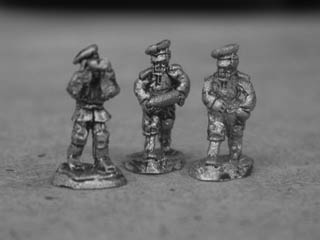 | Artillery Crew (bag of 6) | BX-007 | $2.00 |
| Infantry Officer (bag of 4) | BX-008 | $1.50 |
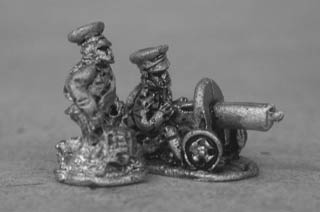 | 2-man crewed Maxim Guns (Bag of 4) | BX-009 | $2.75 |
| 2-man crewed Maxim Guns (Bag of 8) | BX-010 | $5.25 | |
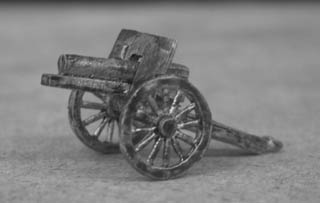 | 1914 Artillery (bag of 2) | BX-011 | $2.00 |
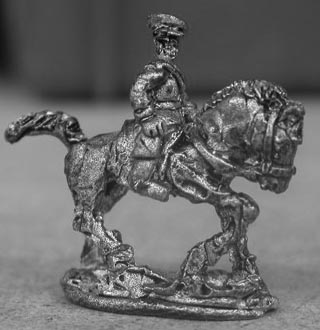 | Mounted Officer - Peaked Cap (bag of 4) | BX-012 | $3.75 |
| Russian Infantry & Cavalry - Fur Cap | |||
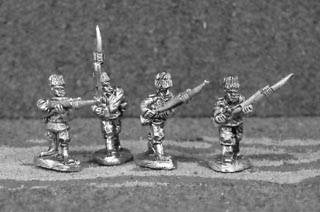 | Infantry (misc. poses) Bag of 4 | BX-201 | $1.50 |
| Infantry (misc. poses) Bag of 8 | BX-202 | $2.75 | |
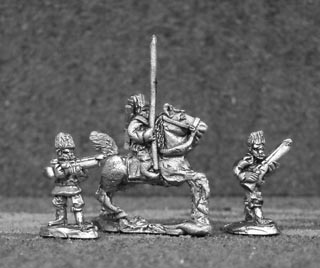 | Dismounted Cavalry (misc. poses) Bag of 4 | BX-203 | $1.50 |
| Dismounted Cavalry (misc. poses) Bag of 8 | BX-204 | $2.75 | |
| Cavalry Bag of 4 | BX-205 | $3.75 |
| Cavalry Bag of 8 | BX-206 | $7.25 | |
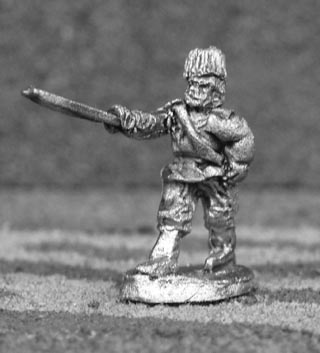 | Infantry Officer (bag of 4) | BX-208 | $1.50 |
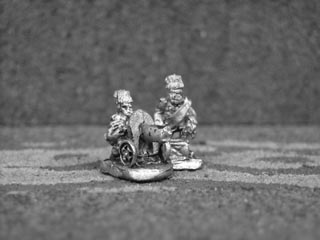 | 2-man crewed Maxim Guns (Bag of 4) | BX-209 | $2.75 |
| 2-man crewed Maxim Guns (Bag of 8) | BX-210 | $5.25 | |
| Miscellaneous & Utility figures | |||
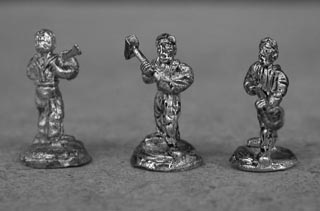 | Engineers/Laborers (Bag of 3) | BX-900 | $1.50 |
| Engineers/Laborers (Bag of 6) | BX-901 | $2.75 | |
In 1914 the Russian Army was the largest army in the world, standing at 1,400,000 soldiers; when fully mobilized the Russian army expanded to over 5,000,000 soldiers. However, Russia's poor roads and railways made the effective deployment of these soldiers difficult...
WWI GERMANS
Bloodaxe 15mm WWI Germans
| German Infantry & Dragoons - Picklehaub | |||||
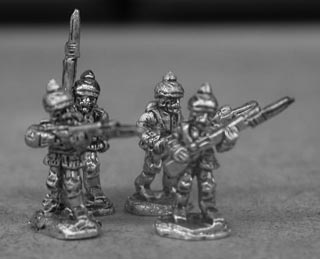 | Infantry (misc. poses) Bag of 4 | BX-101 | $1.50 | ||
| Infantry (misc. poses) Bag of 8 | BX-102 | $2.75 | |||
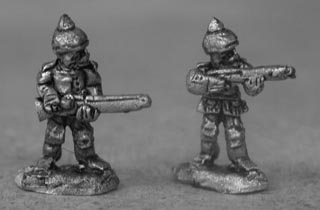 | Dismounted Dragoon (misc. poses) Bag of 4 | BX-103 | $1.50 | ||
| Dismounted Dragoon (misc. poses) Bag of 8 | BX-104 | $2.75 | |||
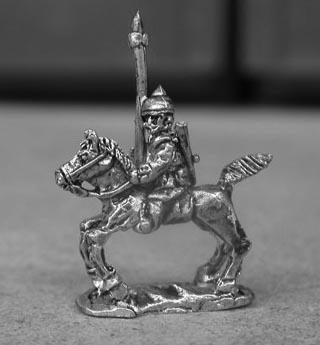 | Dragoons Bag of 4 | BX-105 | $3.75 | ||
| Dragoons Bag of 8 | BX-106 | $7.25 | |||
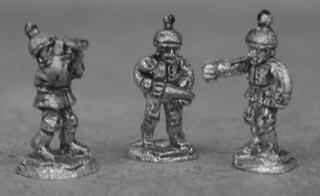 | Artillery Crew (bag of 6) | BX-107 | $2.00 | ||
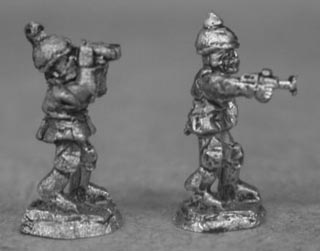 | Infantry Officer (bag of 4) | BX-108 | $1.50 | ||
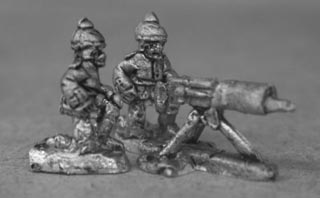 | 2-man crewed Machine Guns (Bag of 4) | BX-109 | $2.75 | ||
| 2-man crewed Machine Guns (Bag of 8) | BX-110 | $5.25 | |||
| 1914 Artillery (bag of 2) | BX-011 | $2.00 | ||
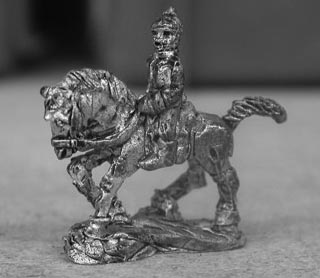 | German Mounted Officer - Picklehaub Bag of 4 | BX-112 | $3.75 | ||
In 1914, the German Army's estimated strength was approximately 840,000 men from all arms of service. The strength of the Army Corps remained the massed infantry regiments from throughout the German Empire.
Each infantry Regiment was composed of three battalions, logically numbered I, II and III - each battalion was formed from four Companies, numbered one to twelve throughout the Regiment. In 1914, the Regiment possed a single Machine Gun Company. In 1916, there was an additional Machine Gun Company per batallion; the Machine Gun Companies were considered independent, due differing strength and organization. Machine-gun Companies were numbered 1, 2 and 3 throughout the entire regiment.
| German Infantry - Tschako (Shako) | |||
| Jaeger (misc. poses) Bag of 4 | BX-111 | $1.50 | |
| Jaeger (misc. poses) Bag of 8 | BX-112 | $2.75 | |
| Infantry Officer (bag of 4) | BX-113 | $1.50 | |
| 2-man crewed Machine Guns (Bag of 4) | BX-114 | $2.75 | |
| 2-man crewed Machine Guns (Bag of 8) | BX-115 | $5.25 | |
Often overlooked, the Jaegers of the Imperial German Army are fast moving, light infantry troops; they fought on every front, from the mountainous passes of Macedonia to the bloody battle of Verdun…
Our Jaegers can also be painted/used as Landwehr.
| German Uhlan | |||
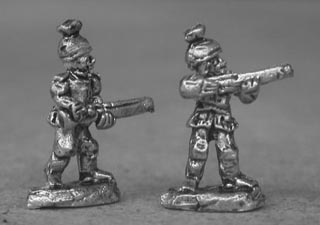 | Dismounted Uhlan (misc. poses) Bag of 4 | BX-116 | $1.50 |
| Dismounted Uhlan (misc. poses) Bag of 8 | BX-117 | $2.75 | |
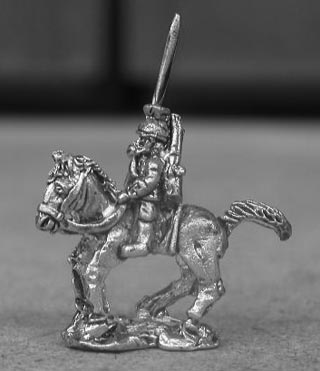 | Mounted Uhlan Bag of 4 | BX-118 | $3.75 |
| Mounted Uhlan of 8 | BX-119 | $7.25 | |
| Miscellaneous & Utility figures | |||
| Engineers/Laborers (Bag of 3) | BX-900 | $1.50 |
| Engineers/Laborers (Bag of 6) | BX-901 | $2.75 | |
After seeing mounted action in the early weeks of the Great War the Uhlan regiments typically served dismounted as "cavalry rifles" in the trenches of the Western Front, or were transferred to the Eastern Front where conditions made it possible for horse cavalry to still play a useful role. All twenty-six German Uhlan regiments were disbanded in the 1918 – 1919 timeframe.
WWI UNIT PACKS
Great War Spearhead is a set of wargaming rules where one stand equals a company, and games involving 2 or 3 Corps per side can be played out in 3-4 hours. It is based around the Spearhead World War II rules.
With the help of Shawn Taylor, designer of GWSH, we have designed several unit packs for use with the GWSH rules set.
Don't play GWSH; if your game uses one Stand to represent one Company, our packaged sets should work just fine for you too.
| Unit Packs Designed for Great War Spearhead | |||
| 1914 German Infantry Regiment | GWSH-g01 | $13.50 | |
| 1914 Russian Infantry Regiment | GWSH-r01 | $14.95 | |
15mm INTERWAR PERIOD (1918-1939)
Bloodaxe 15mm Interwar Period (1918-1939)
| INTERWAR PERIOD TRACKS & WHEELS | |||
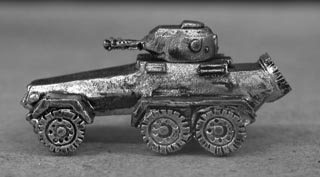 | German Sd.Kfx 231 (rad6) | BX2-003 | $3.25 |
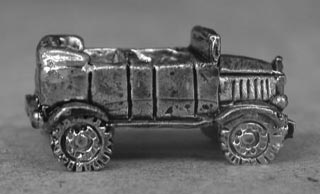 | Field Car (generic) | BX2-004 | $2.00 |
| French Char D2 Medium Tank | BX2-005 | $4.00 | |
| French FCM 36 Light Tank | BX2-006 | $4.00 | |
| Polish TKS Tankette | BX2-007 | $2.50 | |
| Polish Light Armored Car | BX2-008 | $2.25 | |
The interwar period is the period between the end of the First World War and the beginning of the Second World War in Europe.
Sd.Kfz 231 (rad6)
The first of the German armored cars, the Sd.Kfz 231 was based on a modified 6x4 truck chassis.
The 231 was armed with a 20mm cannon and had a second driver in the rear so that the vehicle could be driven either forwards or backwards with relative ease.
The 231 was introduced into service in 1932 and was replaced in 1937 when the German Army switched to 8-wheeled armored cars instead of 6-wheeled. Used by Aufklärungs (SS reconnaissance) during the Polish September Campaign and in the Battle of France, and were withdrawn afterwards for use in internal security and training.
TKS Tankette
Production of the Polish designed TK tankette ran from 1931 to 1939. The design was based on an improved British Carden Loyd tankette. Our model is loosely based on the improved TKS version (improved hull and more powerful engine) The TKS was an improved model with a new hull (thicker armor, up to 10mm thick) and a more powerful engine. Standard armament was a machine gun. However in 1939 a program was begun to re-arm the TKS with 20mm guns (few conversions were completed by the outbreak of WWII)
The bulk of Polish armored forces were made up of the TK/TKS tankettes .The tankettes were too lightly armed and armored, thus stood little chance against opposing German tanks (the Panzer I being the exception).
Samochód pancerny wz. 34
A light armored car of Polish design entered service in 1934 and, while obsolete, was in use by [some] reconnaissance units during the 1939 September Campaign.
These armored cars armed with either a 7.92 mm Hotchkiss M1914 machine gun or a short-barreled 37 mm gun.
| INTERWAR PERIOD INFANTRY & CAVALRY | |||
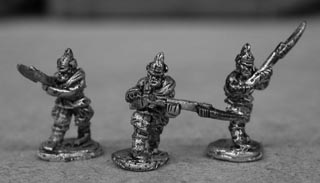 | Soviet Infantry in Budenka Cap (1919-1941) (misc. poses) Bag of 4 | BX2-100 | $1.50 |
| Soviet Infantry in Budenka Cap (1919-1941) (misc. poses) Bag of 8 | BX2-101 | $2.75 | |
| Soviet Infantry in Budenka Cap (1919-1941) (misc. poses) Bag of 24 | BX2-102 | $5.25 | |
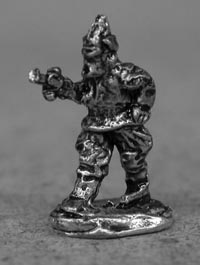 | Soviet Infantry Officer in Budenka Cap (1919-1941) Bag of 4 | BX2-103 | $1.50 |
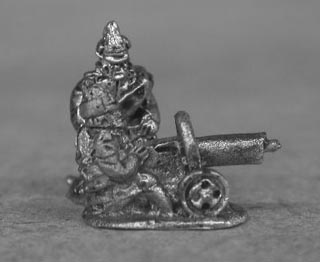 | Soviet Maxim Gun & Crew in Budenka Cap (1919-1941) Bag of 4 | BX2-104 | $2.75 |
| Soviet Maxim Gun & Crew in Budenka Cap (1919-1941) Bag of 8 | BX2-105 | $5.25 | |
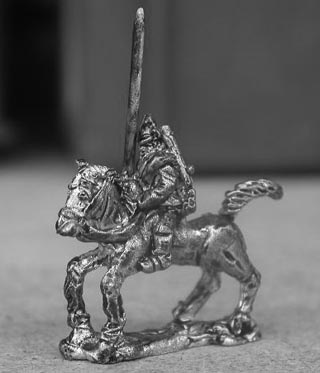 | Soviet Cavalry in Budenka Cap (1919-1941) (Bag of 4) | BX2-106 | $3.75 |
| Soviet Cavalry in Budenka Cap (1919-1941) (Bag of 8) | BX2-107 | $7.25 | |
| Engineers/Laborers (Bag of 3) | BX-900 | $1.50 |
| Engineers/Laborers (Bag of 6) | BX-901 | $2.75 | |
15mm WORLD WAR II
See 15mm Interwar Period for Early War Troops and Vehicles
WWII AMERICANS
| American Infantry | |||
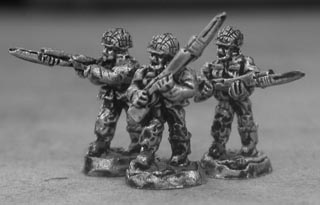 | Infantry with rifles (misc. poses) Bag of 8 | BXE-A99 | $2.00 |
| Infantry with rifles (misc. poses) Bag of 24 | BXE-A98 | $5.25 | |
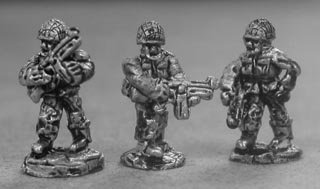 | Infantry with SMG (misc. poses) Bag of 8 | BXE-A97 | $2.00 |
| Infantry with SMG (misc. poses) Bag of 24 | BXE-A96 | $5.25 | |
| Infantry (mixed poses, rifles & SMG) Bag of 24 | BXE-A95 | $5.25 | |
| Infantry (mixed poses, rifles & SMG) Bag of 50 | BXE-A94 | $10.50 | |
| Infantry (mixed poses, rifles & SMG) Bag of 100 | BXE-A93 | $20.75 | |
| 2-man crewed Mortars (Bag of 4) | BXE-A92 | $2.50 | |
| 2-man crewed HMG (Bag of 4) | BXE-A91 | $2.50 | |
| Infantry with Bazooka (Bag of 4) | BXE-A90 | $2.50 | |
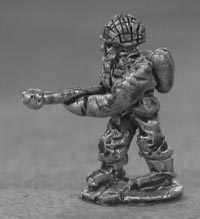 | Infantry with Flamethrower (Bag of 4) | BXE-A89 | $2.50 |
WWII FRENCH
| French Infantry | |||
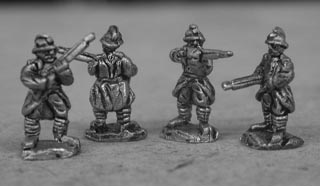 | Infantry with rifles (misc. poses) Bag of 8 | BXE-F99 | $2.75 |
| Infantry with rifles (misc. poses) Bag of 24 | BXE-F98 | $5.25 | |
| Infantry with SMG (misc. poses) Bag of 8 | BXE-F97 | $2.75 | |
| Infantry with SMG (misc. poses) Bag of 24 | BXE-F96 | $5.25 | |
| Infantry (mixed poses, rifles & SMG) Bag of 24 | BXE-F95 | $5.25 | |
| Infantry (mixed poses, rifles, SMG & LMG) Bag of 50 | BXE-F94 | $10.50 | |
| Infantry (mixed poses, rifles, SMG & LMG) Bag of 100 | BXE-F93 | $20.75 | |
| Infantry (mixed poses, armed with LMG) Bag of 8 | BXE-F89 | $2.75 | |
| Infantry Officer Bag of 4 | BXE-F08 | $1.50 | |
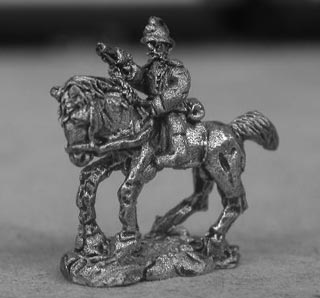 | Mounted Officer Bag of 4 | BXE-F12 | $3.75 |
| Misc. French Troops & Equipment | |||
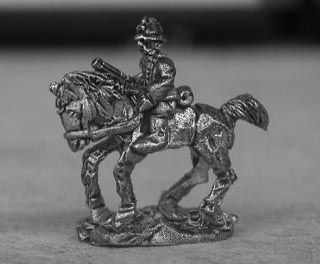 | Cavalry (Bag of 4) | BXE-F03 | $3.00 |
| Cavalry (Bag of 8) | BXE-F04 | $5.50 | |
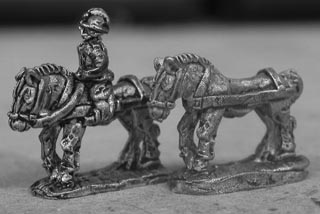 | Draft Horses (pair) | BXE-F05 | $1.50 |
| Draft Horses (Bag of 4) | BXE-F06 | $5.75 | |
| French Tracks & Wheels | |||
| Motorcycles with sidecars (bag of 4) | BXE-F78 | $1.50 | |
| Motorcycles with sidecars (bag of 8) | BXE-F79 | $3.00 | |
| Panhard Armored Car | BXE-F13 | $TBD | |
| FCM 36 Light Tank | BXE-F14 | $TBD | |
| Char D2 Medium Tank | BXE-F15 | $TBD | |
More pictures, motorcycles & support weapons coming soon!
A note on Tanks & Armored cars: These were designed as gaming pieces rather than scale models. If you want accurately detailed models these will not be for you. If, like us, you want game pieces they will be "ok-fine".
WWII GERMANS
| German Infantry (in helmet) | |||
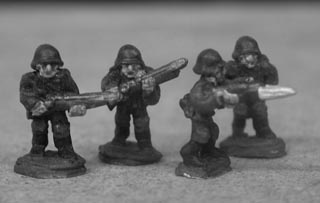 | Infantry with rifles (misc. poses) Bag of 8 | BXE-G99 | $2.00 |
| Infantry with rifles (misc. poses) Bag of 24 | BXE-G98 | $5.25 | |
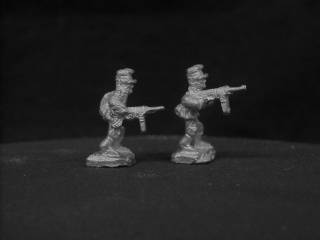 | Infantry with SMG (misc. poses) Bag of 8 | BXE-G97 | $2.00 |
| Infantry with SMG (misc. poses) Bag of 24 | BXE-G96 | $5.25 | |
| Infantry (mixed poses, rifles & SMG) Bag of 24 | BXE-G95 | $5.25 | |
| Infantry (mixed poses, rifles & SMG) Bag of 50 | BXE-G94 | $10.50 | |
| Infantry (mixed poses, rifles & SMG) Bag of 100 | BXE-G93 | $20.75 | |
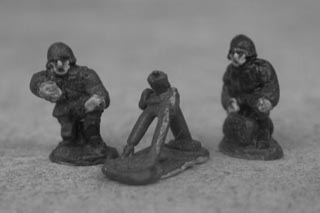 | 2-man crewed Mortars (Bag of 4) | BXE-G92 | $2.50 |
| 2-man crewed HMG Gun (Bag of 4) | BXE-G91 | $2.50 | |
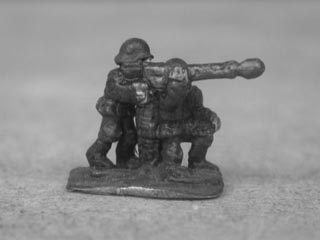 | 2-man crewed MMG (Bag of 4) | BXE-G90 | $2.50 |
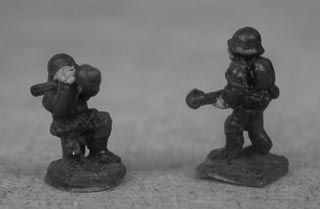 | Infantryman with Flamethrower (Bag of 4) | BXE-G89 | $1.50 |
| Infantryman with Panzerfaust (Bag of 4) | BXE-G88 | $1.50 |
| German Infantry (in field cap) | |||
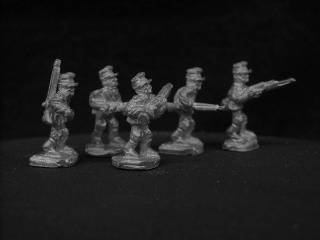 | Infantry with rifles (misc. poses) Bag of 8 | BXE-G299 | $2.00 |
| Infantry with rifles (misc. poses) Bag of 24 | BXE-G298 | $5.25 | |
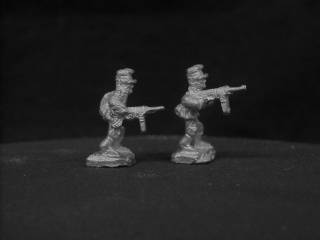 | Infantry with SMG (misc. poses) Bag of 8 | BXE-G297 | $2.00 |
| Infantry with SMG (misc. poses) Bag of 24 | BXE-G296 | $5.25 | |
| Infantry (mixed poses, rifles & SMG) Bag of 24 | BXE-G295 | $5.25 | |
| Infantry (mixed poses, rifles & SMG) Bag of 50 | BXE-G294 | $10.50 | |
| Infantry (mixed poses, rifles & SMG) Bag of 100 | BXE-G293 | $20.75 | |
| 2-man crewed HMG Gun (Bag of 4) | BXE-G291 | $2.50 | |
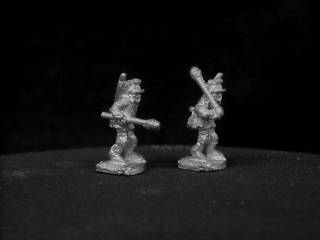 | Infantryman with Panzerfaust (Bag of 4) | BXE-G288 | $1.50 |
| GERMAN TRACKS & WHEELS | |||
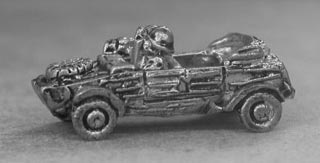 | Kublewagon | BXE-G75 | $2.00 |
WWII ITALIANS
| Italian Infantry | |||
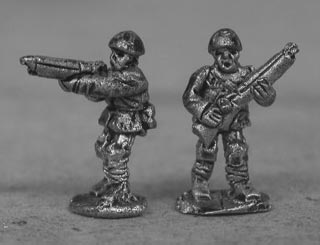 | Infantry with rifles (misc. poses) Bag of 8 | BXE-I99 | $2.75 |
| Infantry with rifles (misc. poses) Bag of 24 | BXE-I98 | $5.25 | |
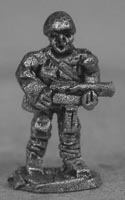 | Infantry with SMG (misc. poses) Bag of 8 | BXE-I97 | $2.75 |
| Infantry with SMG (misc. poses) Bag of 24 | BXE-I96 | $5.25 | |
| Infantry (mixed poses, rifles & SMG) Bag of 24 | BXE-I95 | $5.25 | |
| Infantry (mixed poses, rifles, SMG & LMG) Bag of 50 | BXE-I94 | $10.50 | |
| Infantry (mixed poses, rifles, SMG & LMG) Bag of 100 | BXE-I93 | $20.75 | |
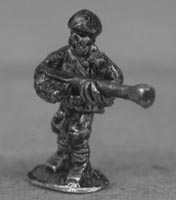 | Infantry with LMG Bag of 4 | BXE-I89 | $1.50 |
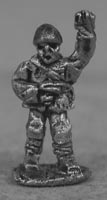 | Infantry Officer Bag of 4 | BXE-I08 | $1.50 |
| Misc. Italian Troops & Equipment | |||
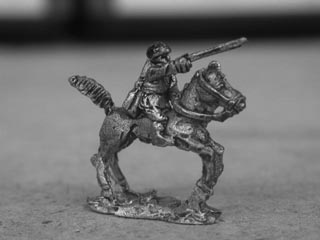 | Cavalry (Bag of 4) | BXE-I03 | $3.00 |
| Cavalry (Bag of 8) | BXE-I04 | $5.50 | |
| Bersaglieri | |||
| Infantry with rifles (misc. poses) Bag of 8 | BXE-IB99 | $2.75 | |
| Infantry with rifles (misc. poses) Bag of 24 | BXE-IB98 | $5.25 | |
 | Infantry with SMG (misc. poses) Bag of 8 | BXE-IB97 | $2.75 |
| Infantry with SMG (misc. poses) Bag of 24 | BXE-IB96 | $5.25 | |
| Infantry (mixed poses, rifles & SMG) Bag of 24 | BXE-IB95 | $5.25 | |
| Infantry (mixed poses, rifles, SMG & LMG) Bag of 50 | BXE-IB94 | $10.50 | |
| Infantry (mixed poses, rifles, SMG & LMG) Bag of 100 | BXE-IB93 | $20.75 | |
| Infantry with LMG Bag of 4 | BXE-IB89 | $1.50 | |
 | Infantry Officer Bag of 4 | BXE-IB08 | $1.50 |
| Misc. Bersaglieri Equipment | |||
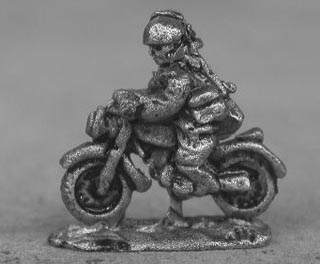 | Motorcycles (bag of 4) | BXE-IB76 | $1.25 |
| Motorcycles (bag of 8) | BXE-IB77 | $2.75 | |
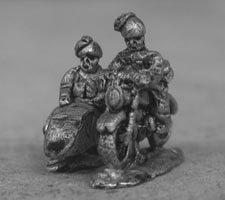 | Motorcycles with sidecars (bag of 4) | BXE-IB78 | $1.50 |
| Motorcycles with sidecars (bag of 8) | BXE-IB79 | $3.00 | |
Support weapons coming soon!
WWII SOVIETS
| Soviet Infantry | |||
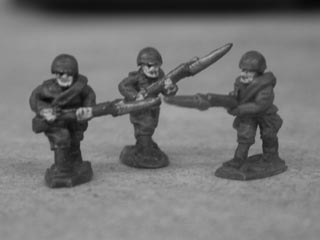 | Infantry with rifles (misc. poses) Bag of 8 | BXE-R99 | $2.75 |
| Infantry with rifles (misc. poses) Bag of 24 | BXE-R98 | $5.25 | |
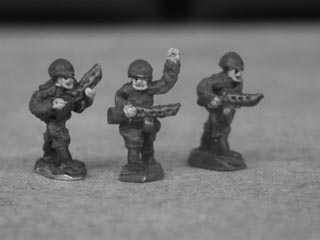 | Infantry with SMG (misc. poses) Bag of 8 | BXE-R97 | $2.75 |
| Infantry with SMG (misc. poses) Bag of 24 | BXE-R96 | $5.25 | |
| Infantry (mixed poses, rifles & SMG) Bag of 24 | BXE-R95 | $5.25 | |
| Infantry (mixed poses, rifles, SMG & LMG) Bag of 50 | BXE-R94 | $10.50 | |
| Infantry (mixed poses, rifles, SMG & LMG) Bag of 100 | BXE-R93 | $20.75 | |
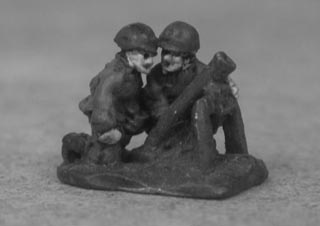 | 2-man crewed Mortars (Bag of 4) | BXE-R92 | $2.50 |
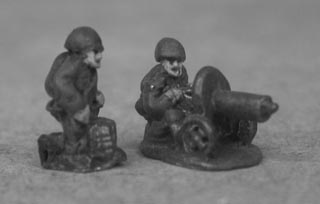 | 2-man crewed Maxim gun (Bag of 4) | BXE-R91 | $2.50 |
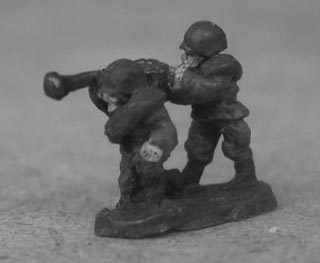 | 2-man crewed DP MG (Bag of 4) | BXE-R90 | $2.50 |
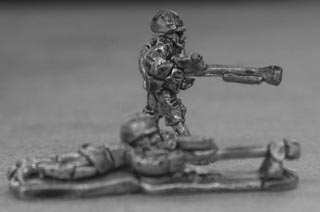 | Infantry (mixed poses, armed with DP LMG) Bag of 8 | BXE-R89 | $2.75 |
| Infantryman with Flamethrower (Bag of 4) | BXE-R88 | $1.50 | |
| Infantryman with Panzerfaust (Bag of 4) | BXE-R87 | $1.50 | |
| Soviet Tracks & Wheels | |||
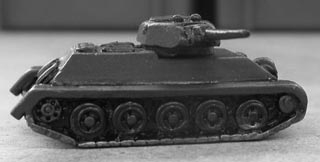 | T34/76 Medium Tank | BXE-R75 | $6.00 |
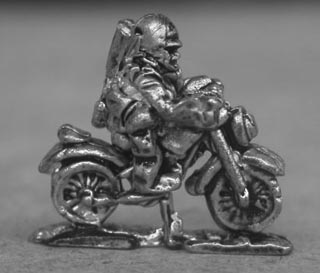 | Motorcycles (bag of 4) | BXE-R76 | $1.25 |
| Motorcycles (bag of 8) | BXE-R77 | $2.75 | |
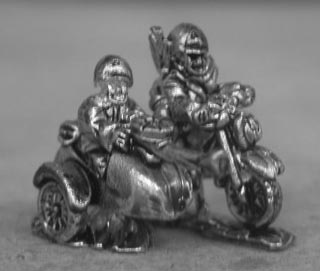 | Motorcycles with sidecars (bag of 4) | BXE-R78 | $1.50 |
| Motorcycles with sidecars (bag of 8) | BXE-R79 | $3.00 | |
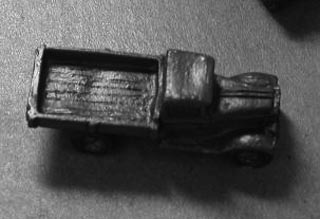 | Truck | BXE-R80 | $4.50 |
| Misc. Soviet Troops & Equipment | |||
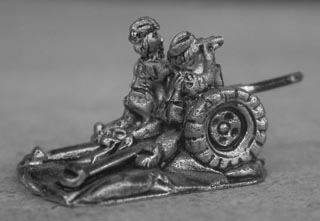 | Anti-Tank Gun w/crew of two | BXE-R01 | $1.50 |
| Anti-Tank Gun w/crew of two (Bag of 2) | BXE-R02 | $2.75 | |
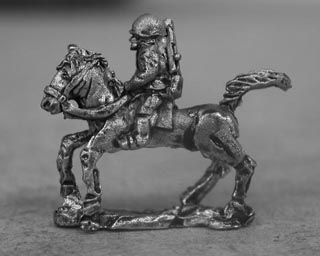 | Cavalry (Bag of 4) | BXE-R03 | $3.00 |
| Cavalry (Bag of 8) | BXE-R04 | $5.50 | |
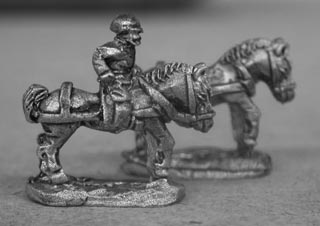 | Draft Horses (pair) | BXE-R05 | $1.50 |
| Draft Horses (Bag of 4) | BXE-R06 | $5.75 | |
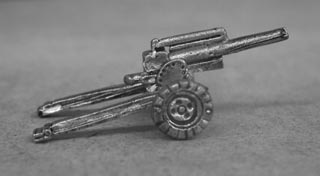 | 105 (generic) Howitzer (Bag of 2) | BXE-R07 | $1.50 |
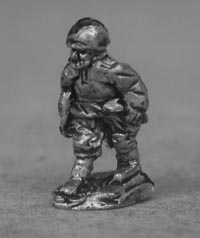 | Artillery/Utilityman (Bag of 4) | BXE-R07 | $1.50 |
| Artillery/Utilityman (Bag of 8) | BXE-R07 | $2.75 | |
MISC. WWII
| Misc. Equipment | |||
| 105 (generic) Howitzer (Bag of 2) | BX2-001 | $1.50 |
| 105 (generic) Howitzer (Bag of 4) | BX2-002 | $2.75 | |
15mm LIVESTOCK
15mm Livestock
| Cows, Dogs, Goats & Pigs | ||||
| Cows (bag of 6) | BXL-101 | $1.75 | ||
| Dogs (bag of 6) | BXL-102 | $1.75 | ||
| Goats (bag of 6) | BXL-103 | $1.75 | ||
| Pigs (bag of 6) | BXL-104 | $1.75 | ||
| Dogs & Pigs (bag of 6) | BXL-105 | $1.75 | ||
| Cows, Dogs, Goats & Pigs (bag of 8) | BXL-106 | $2.00 | ||
That's right, livestock!
Why 15mm livestock?
Well, one needs farm animals and the like for camps in DBA as well as for dioramas of all kinds.
Dogs and Pigs courtesy of Tony at ERM
Cow and Goat scuplts date back to the late 70's - some of my first attempts at sculpting
25mm Hebridians
Presenting 25mm Hebridians
| Hebridians | ||||
| Description | Part Number | 1 - 11 | 12 or more | |
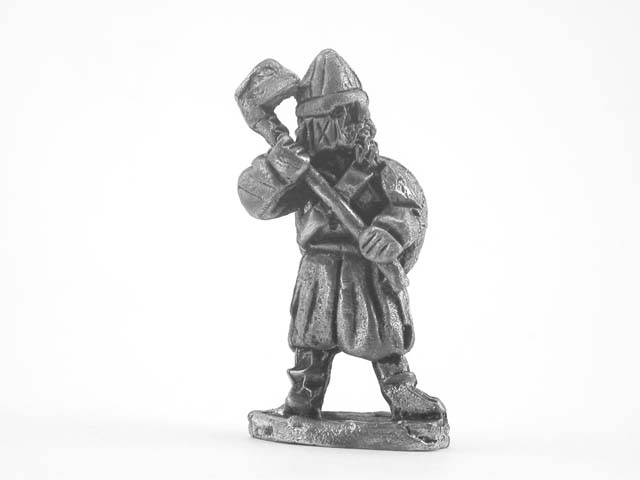 | Hebridian with Axe | BXA-25000 | $1.50 each | $1.25 each |
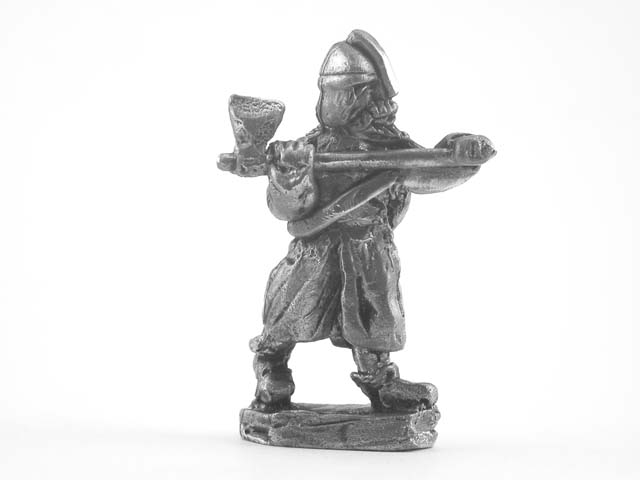 | Hebridian with Axe | BXA-25001 | $1.50 each | $1.25 each |
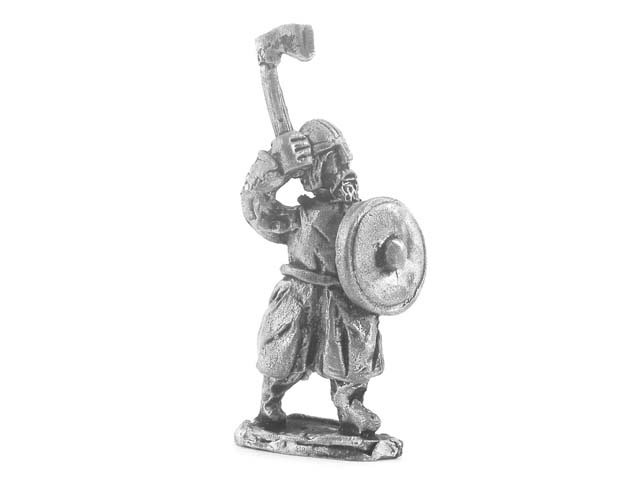 | Hebridian with Axe | BXA-25002 | $1.50 each | $1.25 each |
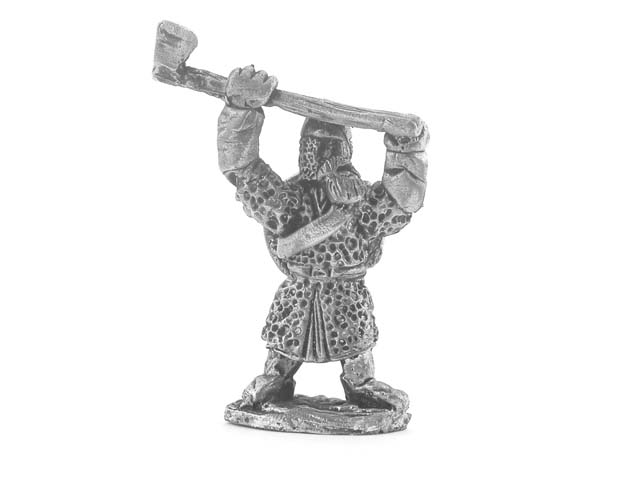 | Hebridian with Axe | BXA-25003 | $1.50 each | $1.25 each |
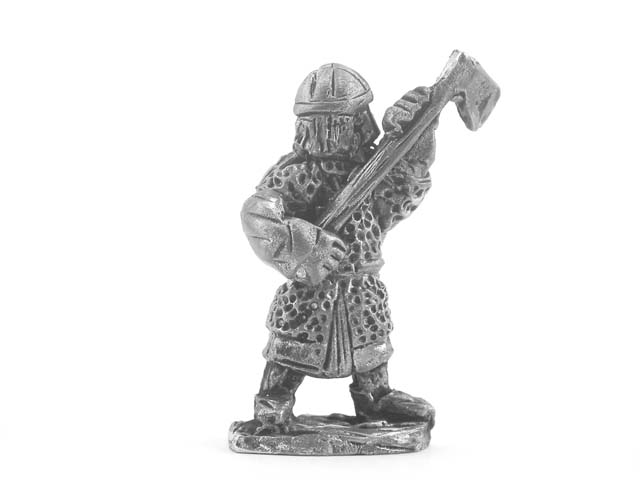 | Hebridian with Axe | BXA-25004 | $1.50 each | $1.25 each |
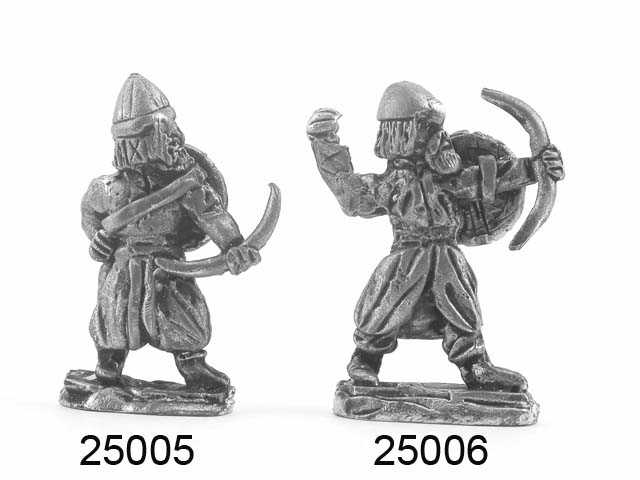 | Hebridian Archer | BXA-25005 | $1.50 each | $1.25 each |
| Hebridian Archer | BXA-25006 | $1.50 each | $1.25 each |
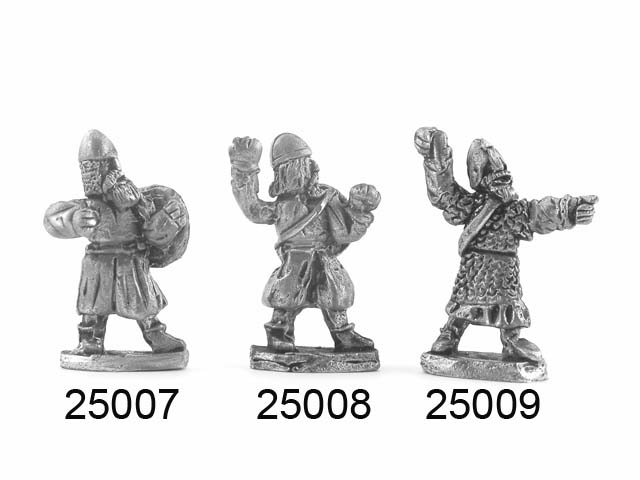 | Hebridian Open Hands* | BXA-25007 | $1.50 each | $1.25 each |
| Hebridian Open Hands* | BXA-25008 | $1.50 each | $1.25 each |
| Hebridian Open Hands* | BXA-25009 | $1.50 each | $1.25 each |
* Hebridian Open Hands figures include an accessory set 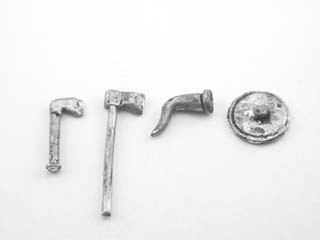
25mm Great Northern War
More Bloodaxe Miniatures figures coming soon!
| Great Northern War | ||||
| Description | Part Number | 1 - 11 | 12 or more | |
| Swedish Musketeer | BXA-00000 | $1.50 each | $1.25 each | |